10 Exterior Siding Types for East Texas Homes
You're standing in the driveway looking at faded panels, swollen trim, or a wall that no longer matches the style of your home.
September 16, 2026 · 16 min read
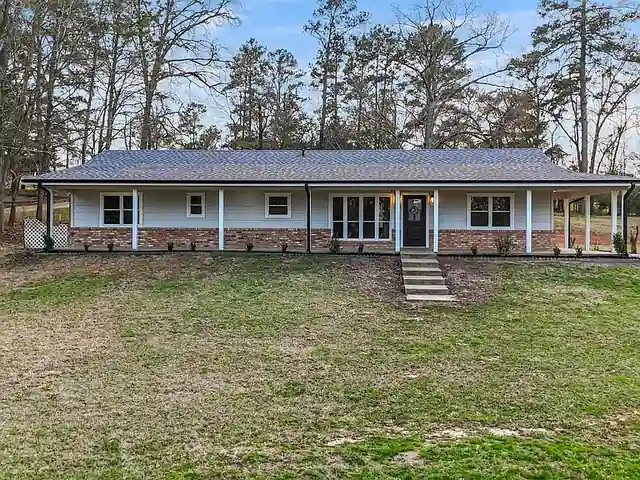
You're standing in the driveway looking at faded panels, swollen trim, or a wall that no longer matches the style of your home. In East Texas, choosing new siding isn't only a curb-appeal decision. Humidity, heavy rain, seasonal temperature changes, insects, intense sun, maintenance demands, and installation quality all affect how the exterior performs.
This guide compares 10 exterior siding types through a local lens. Each section considers durability, upkeep, appearance, climate fit, budget position, and realistic applications for homes and buildings around Tyler, Lindale, Flint, Bullard, Whitehouse, and nearby communities. Any cost discussion should be treated as a planning conversation rather than a firm estimate, because removal, wall repairs, trim, flashing, access, product grade, and labor can change the final scope.
The material matters, but the wall assembly matters just as much. A properly installed drainage plane, effective flashing, ventilation, compatible sealants, and careful detailing around windows and doors help keep rainwater out of the structure. Home Pro's Remodeling & Repairs serves Tyler and nearby East Texas communities with exterior remodeling, on-site consultations, free estimates, and a design-build process for homeowners planning a siding project.
1. Fiber Cement Board Siding
Fiber cement is a strong choice for East Texas homeowners who want a wood-like appearance without accepting natural wood's full maintenance burden. Made from Portland cement, sand, and cellulose fibers, it can reproduce lap siding, shingle profiles, trim details, and board-and-batten designs while resisting rot, insects, fire, and weather exposure.
Its weight creates the first practical trade-off. Fiber cement typically needs more careful handling, correct fastener placement, clean cuts, and properly detailed joints. A rushed installation can damage edges or create openings where water reaches the wall assembly. Professional installation is especially important around windows, doors, rooflines, outside corners, and transitions to brick or stone.
Where fiber cement fits best
Fiber cement works naturally on Tyler historic homes updated with James Hardie plank siding, East Texas ranch homes using shingle profiles, and commercial buildings in Whitehouse where durability and a finished appearance both matter. It also suits homeowners who want deeper shadows and more substantial trim than entry-level vinyl usually provides.
Independent 2026 lifespan guidance places standard fiber cement at 50 years or more, with stronger resistance to ultraviolet degradation and impact damage than standard vinyl in the cited comparison. That doesn't eliminate maintenance. Use exterior paint rated for fiber cement, inspect caulking around openings each year, and repaint when the finish requires renewal. Pre-finished boards can reduce the work immediately after installation, while good ventilation and moisture management behind the siding protect the investment.
2. Vinyl Siding
Vinyl remains the practical starting point for homeowners who need a lower-cost exterior update with minimal routine care. PVC planks or shingles interlock to form a lightweight cladding system, and the material resists rot, insects, and moisture without requiring routine painting.
East Texas heat makes product selection and installation details more important than the basic label suggests. Economy panels can look thin, move noticeably with temperature changes, or show damage more readily. Premium grades with stronger UV protection and foam-backed options may provide a more substantial appearance and can support better thermal performance, but they still depend on correct wall preparation.
For planning context, a widely cited historical analysis documents vinyl's rise in the U.S. siding market from about 5% within 10 years of introduction to 12% by 1983, 31% by the 1990s, and a peak of 37% in 2002, before easing to 32% later in the 2000s. Current construction is more balanced. For homes started in 2025, vinyl represented 27.7% of principal exterior wall materials, compared with stucco at 24.1% and fiber cement at 22.6%.
Installation details that matter
Leave the manufacturer-specified expansion space, install a drainage plane and moisture barrier, and use sealants compatible with vinyl. The panels should move without buckling, while openings need properly integrated flashing rather than surface caulk alone.
Tyler suburban homes, quick updates in Flint and Bullard, rental properties, and cost-conscious commercial buildings can all benefit from vinyl's uncomplicated maintenance profile. Before choosing a grade, review the complete scope in this guide to siding replacement cost, including removal, trim, wall repairs, and labor. Inspect the finished siding annually for loose panels, damaged sections, and failed seals.
3. Engineered Wood Siding
Engineered wood siding bridges the visual gap between vinyl and natural wood. Products such as LP SmartSide combine wood fibers with resin binders to create consistent planks, panels, and board-and-batten profiles. The result can provide a warmer, more substantial appearance than basic vinyl while reducing the rot, insect, and moisture concerns associated with untreated natural wood.
That balance makes engineered wood useful for East Texas ranch renovations and older homes in Lindale or Bullard where existing wood siding has deteriorated. It also works on commercial properties in Kilgore that need a finished exterior without accepting the upkeep of traditional wood across every wall.
The wall assembly still controls performance
Engineered wood isn't a substitute for drainage detailing. Install the product over the required moisture barrier and drainage plane, maintain ventilation behind the cladding where the system requires it, and seal joints, corners, windows, doors, and penetrations with compatible exterior sealant. Corrosion-resistant fasteners help prevent staining and rust marks that can undermine an otherwise clean installation.
The finish deserves attention too. Use exterior latex paint approved for the product, follow the manufacturer's edge-sealing requirements, and watch for splitting, paint failure, or moisture intrusion during annual inspections. Repainting may be needed on a different schedule from fiber cement or vinyl, so the product warranty and finish instructions should guide the maintenance plan.
Practical rule: Treat engineered wood as a protected wood product, not as a maintenance-free panel.
For homeowners who want a wood appearance and are willing to inspect and repaint periodically, engineered wood can be a sensible middle-ground choice. It may not suit a project where the owner wants the least possible maintenance, and it shouldn't be selected solely from a color sample. Review the fastening, clearance, flashing, and sealant requirements before approving the product.
4. Metal Siding
Metal siding gives East Texas buildings a clear visual direction. Steel and aluminum panels can create a contemporary exterior, a rain-screen expression, or a cohesive barndominium envelope. Steel generally provides greater strength, while aluminum offers lower weight and natural corrosion resistance. Both can deliver fire resistance and limited routine upkeep compared with painted wood.
The best applications include standing-seam metal exteriors on East Texas barndominiums, metal rain-screen systems on Tyler commercial buildings, accent panels on contemporary homes in Hideaway, and agricultural buildings or storage structures throughout the region. Metal can also work as a controlled accent rather than a full exterior, especially when paired with fiber cement, brick, or wood.
Avoiding common metal problems
Improper fastening can cause oil-canning, distortion, and visible waves across broad panels. Thermal movement also needs room to occur in Texas heat, and every penetration, joint, and transition needs a compatible sealant and flashing strategy. A metal exterior that looks simple from the driveway can involve complicated details at roofs, windows, base conditions, and wall corners.
Choose a finish and substrate appropriate for the exposure, and discuss corrosion protection with the installer. The plan notes identify G60 or higher galvanized steel as a specification to consider for maximum corrosion resistance. Because this is a product specification, confirm it with the panel manufacturer and project conditions rather than treating it as a universal requirement.
Metal doesn't need frequent repainting, but it isn't maintenance-free. Clean it with methods approved for the finish, avoid aggressive pressure washing, and inspect fasteners and seal failures annually. Homeowners exploring this material for a rural residence can also review why build a barndominium before selecting a complete exterior system.
5. Natural Wood Siding
Natural wood is difficult to replace when architectural authenticity matters. Cedar, redwood, and pine can produce lap siding, vertical boards, board-and-batten, or shingles with variation that manufactured products intentionally imitate. That character suits Tyler historic homes, Victorian properties, rustic residences in Hideaway, Frankston farmhouses, and cottages around Chapel Hill.
East Texas humidity changes the maintenance calculation. Wood can absorb moisture, support fungal decay, and attract insects when paint or stain fails and water reaches vulnerable edges. The siding needs a properly ventilated wall assembly, a reliable moisture barrier, flashing at openings, and careful clearances above roofs, decks, patios, and grade.
Choose wood only with a maintenance plan
Rot-resistant species such as cedar or redwood can improve the material choice, but they don't remove the need for protection. Paint or stain should be renewed on a regular cycle, and the plan notes identify every three to five years for this work. That interval varies with exposure, coating, color, orientation, and product instructions, so a visual inspection should control the timing.
Use stainless steel or hot-dipped galvanized fasteners to reduce corrosion staining. Inspect annually for rot, insect damage, cracked coatings, open joints, and soft areas near trim. Pressure-treated material may be appropriate for selected below-trim applications, but it doesn't turn ordinary wood siding into a no-maintenance system.
Wood works best for owners who value authenticity and will budget for recurring care. It doesn't work well when a property will sit unattended, when water management is unresolved, or when the owner expects vinyl-like upkeep. In those cases, fiber cement, engineered wood, or composite alternatives may deliver the desired profile with less regular attention.
6. Shake and Shingle Siding
Shake and shingle siding adds texture through individual units, layered courses, and changing shadow lines. Wood shakes are split, while shingles are sawn, so the finished surface can range from rugged and irregular to neat and highly patterned. Composite versions reproduce much of that depth without placing every maintenance obligation on natural wood.
The profile fits Tyler craftsman homes, cottages in Chapel Hill and Hideaway, traditional East Texas farmhouses, and historic properties where smaller siding elements support the architecture. It can also add focus to a gable, entry, dormer, or upper story without covering the entire building in a more expensive or maintenance-heavy material.
Water management is part of the appearance
The layered profile can hide trouble until moisture has already affected the substrate. Install a continuous drainage strategy, integrate flashing at windows and transitions, and keep ventilation and clearances consistent with the selected system. Every course must shed water correctly, and the installer needs experience with the product rather than treating it like ordinary lap siding.
Natural cedar or redwood shakes provide strong character, but they need staining or painting on a recurring schedule. The plan notes identify every three to five years for natural wood maintenance, subject to the coating and exposure. Composite shakes reduce that burden, but product quality, color stability, fasteners, and warranty terms still deserve close review.
A shake profile can make a modest entry feel custom, but poor flashing can make the same detail expensive to repair.
Inspect annually for curling, splitting, open joints, coating failure, and moisture damage. Corrosion-resistant fasteners help prevent dark streaks and premature failure. For a full exterior, compare the added labor and detailing with fiber cement shingles or a composite system. For an accent, shakes often deliver more design impact with a narrower scope.
7. Brick Veneer Siding
Brick veneer brings the visual weight of masonry without requiring a full structural brick wall. A single-width brick facing sits over a structural backing system, with an air space, drainage plane, flashing, and weep provisions handling water behind the veneer. That assembly is essential in a region where wind-driven rain and humidity can expose weak detailing.
Brick suits East Texas ranch homes, traditional residences in Whitehouse and Bullard, historic Tyler buildings, and commercial properties in Gladewater. Red brick offers a familiar regional appearance, while other colors, textures, and mortar choices can move the design toward a cleaner contemporary or more refined traditional look.
Masonry needs planned maintenance
Brick itself generally needs little day-to-day attention, but mortar joints and flashing remain service items. Specify brick rated for the project conditions, use the mortar recommended for the application, and verify details around windows, doors, roof intersections, and changes in wall material. The plan notes identify Type N mortar for most applications, but the final mortar selection should follow the masonry design and manufacturer guidance.
Don't use aggressive pressure washing as a routine cleaning method. It can damage brick faces and mortar joints. Inspect exposed walls periodically for cracking, displaced units, open joints, and staining that may indicate drainage problems. The plan notes identify mortar maintenance or repointing at roughly 30 to 50 years on exposed applications, though actual timing depends on workmanship, exposure, and condition.
Brick veneer costs more to install than basic vinyl because masonry labor, support details, openings, and flashing add scope. It also offers less flexibility if you later want to change the exterior style. For homeowners prioritizing a classic appearance, limited routine upkeep, and a permanent-feeling façade, those trade-offs can be worthwhile.
8. Stone Veneer Siding
Stone veneer creates a premium exterior without the weight and installation demands of full-depth stone masonry. Natural stone offers irregular color and geological variation, while manufactured stone provides more consistent sizing and pattern control. Both can add strong visual impact to entries, chimneys, porch walls, columns, and selected façade areas.
Full-home stone may fit luxury homes in Tyler, upscale residences in Hideaway, estate properties in Chapel Hill, or commercial buildings in Whitehouse that need a substantial branded appearance. It can also become financially more manageable when limited to an entry, chimney, or lower façade instead of covering every wall.
Treat veneer as a drainage system
Before a full-home application, confirm that the structure and wall assembly can support the selected system. Use an established veneer system with compatible lath, mortar, drainage components, flashing, and weeps. The stone facing shouldn't be installed as a decorative layer that ignores water behind it.
Natural stone may need a sealer selected for the material and exposure. Manufactured stone still needs correct installation, suitable clearances, and careful detailing at windows and transitions. Mortar joints can require attention over time, and the plan notes identify 20 to 30 years as a planning interval for mortar maintenance and repointing. Actual timing depends on exposure and condition.
For budget control, use stone where it changes the character of the home most. A stone entry combined with fiber cement or engineered wood can deliver contrast without placing a premium finish on every elevation. Ask for product-specific installation instructions, examples of comparable work, and a clear explanation of what the estimate includes.
9. Stucco Siding
Stucco creates a continuous plaster-like surface that suits Spanish Colonial, Mediterranean, and contemporary architecture. Traditional three-coat stucco and EIFS are not interchangeable assemblies, so the system, substrate, drainage design, and installer experience all matter. In East Texas, moisture management should be a deciding factor rather than an afterthought.
Stucco works on Tyler homes with clean or southwestern-influenced lines and on commercial properties that need a cohesive branded façade. It can produce smooth, textured, and tinted finishes, but the surface can show cracking, staining, or paint failure when movement, water, or poor detailing goes unresolved.
Use experienced installers and inspect the surface
Specify the required moisture barriers and drainage planes, maintain sound grading around the foundation, and detail every opening carefully. A qualified contractor should explain how the selected system drains water and how repairs will be handled if cracks appear. In moisture-prone locations, the plan notes recommend considering traditional three-coat stucco over EIFS, but the correct choice depends on the complete wall design and manufacturer requirements.
Inspect the finish annually for cracks, damp areas, discoloration, and failed sealants. The plan notes identify five to seven years for sealant renewal in humid climates and eight to ten years for repainting as maintenance planning references. Treat those as planning guidance, not guarantees. Exposure, coating, orientation, and workmanship affect the actual schedule.
Homeowners assessing a stucco wall or planning a new system should understand the purpose of a vapor barrier installation within the broader moisture-control strategy. Stucco can perform well, but only when the contractor treats the finish as part of a complete weather-resistive assembly.
10. Composite and Hybrid Siding Systems
Composite and hybrid systems combine materials such as wood fibers, recycled plastics, polymer resins, and cement. They represent a newer approach to siding selection, with manufacturers trying to combine wood-like appearance, low maintenance, impact resistance, thermal performance, and design flexibility in one engineered product.
These systems suit modern East Texas homes, eco-conscious properties, and high-performance projects that use multiple cladding textures. They can also support mixed-material exteriors, such as a composite main wall with metal accents, stone at the entry, or fiber cement panels at a gable. The design possibilities are broad, but the product category is not uniform.
Compare the specific product, not the category
Read the technical documentation for the exact product formulation. Review the installation manual, warranty, approved fasteners, compatible sealants, finish requirements, recycled-content claims, and manufacturer history. A composite panel and a hybrid plank may share a marketing category while having very different movement, drainage, cutting, and repair requirements.
Current market research describes rising interest in sustainable, energy-efficient, and recyclable exterior materials, alongside stronger adoption of insulated vinyl, fiber cement, engineered wood, and composite siding. It also identifies horizontal siding as the dominant format while vertical siding is growing faster, and notes continued consumer attention to vinyl alongside bold colors and mixed-material exteriors in 2026.
Specification check: Ask which parts of the system are recyclable, how the product handles East Texas heat and humidity, and whether a local installer has completed comparable work.
Composite systems can reduce routine maintenance, but they aren't automatically the lowest-cost choice. Request references for the specific product, confirm that the contractor will follow the manufacturer's details exactly, and plan periodic inspections even when the expected upkeep is limited.
Top 10 Exterior Siding Comparison
Match the Material to the Home
The best exterior siding type depends on how your home handles moisture, how much maintenance you're willing to perform, which architectural cues you want to preserve, and how much of the project budget remains after wall repairs and trim. A material that looks affordable on a sample board can become a different project once installers uncover damaged sheathing, outdated flashing, poor drainage, or openings that need reconstruction.
For the lowest installed-cost position and minimal upkeep, vinyl is often the practical fit. Choose a quality grade, plan for thermal movement, and don't allow a low material price to justify skipping the drainage plane or flashing. Fiber cement suits homeowners who want a durable wood look, stronger resistance to common exterior threats, and substantial plank or shingle profiles. It demands more installation care and finish planning than vinyl.
Engineered wood occupies the middle ground for appearance and maintenance. It can make a ranch renovation or older home feel warmer and more substantial, but it still needs sealed edges, sound paint, correct fasteners, and periodic inspection. Natural wood and shakes remain the right choice for authentic character, historic accuracy, and craftsman or farmhouse details when the owner accepts recurring staining, painting, and repairs.
Metal siding fits contemporary homes, barndominiums, agricultural buildings, and commercial applications where clean lines and durability matter more than a conventional residential appearance. Brick veneer and stone veneer provide premium masonry character and long service potential, but they require higher initial scope, structural and drainage planning, and skilled masonry installation. Use stone strategically on entries, chimneys, and feature walls when a full-home application doesn't fit the budget.
Stucco should be selected cautiously in East Texas. It can complement the right architecture, but the contractor must design and install a moisture-managed system, not merely apply a finish over a wall. Composite and hybrid products are worth investigating when you want newer engineered options, sustainability features, mixed textures, and reduced maintenance, but product-specific documentation matters more than broad category promises.
Compare the complete project scope, not just the siding price. A useful estimate should identify:
- Existing conditions: Inspect the wall assembly, sheathing, framing, rot, insect damage, and moisture intrusion before selecting a finish.
- Weather protection: Confirm the drainage plane, flashing, ventilation, water-resistive barrier, sealants, and transitions around every opening.
- Removal and disposal: Include existing siding removal, debris handling, and any hazardous or deteriorated material concerns.
- Trim and accessories: Account for corners, window and door trim, soffits, fascia, vents, house numbers, and material transitions.
- Finish work: Clarify factory finish, field painting, caulking, staining, repainting expectations, and touch-up responsibility.
- Installation requirements: Request the manufacturer's details for fasteners, clearances, joints, expansion, drainage, and repairs.
- Long-term budget: Define what you can spend on annual inspections, cleaning, sealing, repainting, staining, or future mortar work.
Before signing, schedule an on-site consultation with a qualified East Texas contractor. Home Pro's Remodeling & Repairs provides exterior remodeling, siding installation and repair, free onsite estimates, and a design-build process serving Tyler and nearby communities. A contractor can inspect the existing assembly, match the profile to your architecture, explain product-specific requirements, and issue a detailed estimate that reflects the actual conditions of your home.
Home Pro's Remodeling & Repairs can help East Texas homeowners compare siding materials, inspect existing exterior conditions, and coordinate siding installation or repair as part of a broader remodeling project. Visit Home Pro's Remodeling & Repairs to request an on-site consultation, free estimate, and practical guidance for your Tyler-area exterior.
Home Pro's Remodeling & Repairs, (903) 920-2969
Call (903) 920-2969More articles
7 Best Outdoor Kitchens: Designs, Costs, and Build Tips
Many outdoor kitchen problems begin on day one, when the layout, cover, and utility routes get decided before anyone looks closely at the budget.
Bathroom Vent Through Wall: Complete DIY Installation Guide
You've just stepped out of the shower on a humid East Texas morning.