Find a Home Builder Near Me
You search “home builder near me” because you need more than attractive project photos.
September 28, 2026 · 11 min read
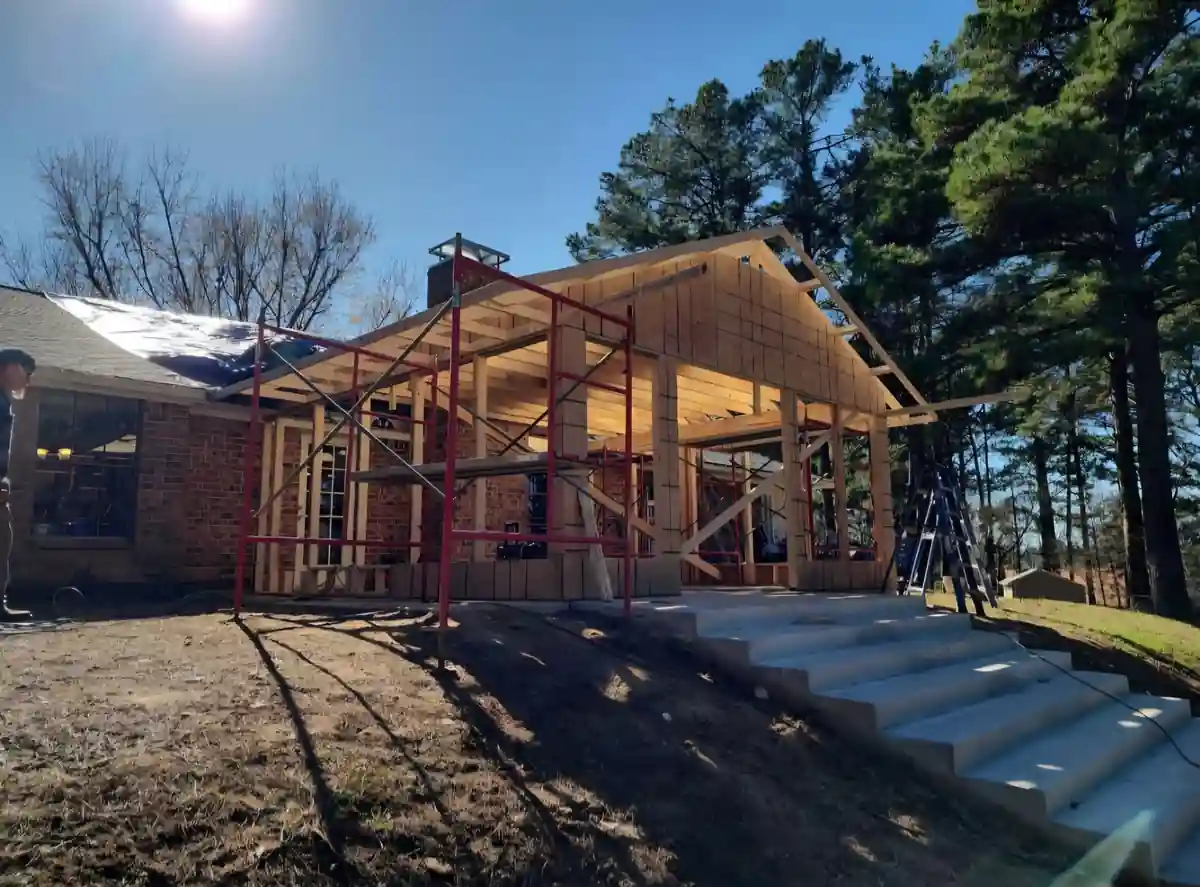
You search “home builder near me” because you need more than attractive project photos. You need a contractor who can explain what the price includes, who handles permits and subcontractors, how changes are approved, and what happens when the schedule slips. Most directory pages stop at names, ratings, and polished galleries. That leaves homeowners exposed to the expensive part of the decision, the gaps between the advertised scope and the finished project.
The right comparison starts before you request a bid. Look for a builder who can coordinate design, estimating, scheduling, construction, and warranty support through a defined process. Then test that process with written questions, comparable proposals, verified credentials, and a contract that makes exclusions impossible to overlook.
Starting Your Local Builder Search
Most homeowners begin with a portfolio, a map search, and a handful of reviews. That's useful for finding candidates, but it's a weak hiring method by itself. A finished kitchen can look excellent while the builder's estimating practices, change-order controls, and communication habits remain completely unknown.
Start by defining the work in plain language. Separate a cosmetic renovation from structural work, an addition, a new home, or a commercial build-out. A contractor who handles small repairs may not have the personnel, estimating discipline, or scheduling systems required for a whole-house remodel. Conversely, a large production builder may not be the right fit for a highly customized project.
Look beyond the project gallery
Ask every candidate to explain who owns each phase:
- Initial evaluation: Who visits the property, checks existing conditions, and identifies likely constraints?
- Design coordination: Does the builder work with its own design team, or will you have to carry information between separate professionals?
- Estimating: Will you receive a detailed scope with allowances, exclusions, and assumptions?
- Production management: Who schedules trades, orders materials, and provides updates?
- Closeout: How are punch-list items, product support, and workmanship concerns handled?
A single point of contact matters because fragmented planning creates avoidable handoff errors. When a designer, estimator, project manager, and subcontractor each work from different assumptions, you become the person responsible for translating decisions between them. A design-build team can keep approvals, drawings, pricing, and construction instructions aligned.
For homeowners comparing contractors in the Tyler area, the Home Pro contractors serving Tyler page is one local starting point, but don't treat any company profile as a substitute for direct verification. Ask to see recent comparable work, request client references, and find out whether the person who sells the project will remain involved after signing.
Use search results as a shortlist, not a verdict
Search visibility doesn't prove construction quality. Reviews can reveal responsiveness and cleanup, but they rarely show whether an allowance was realistic or whether a contract clearly handled owner-selected materials. Call references and ask specific questions about schedule communication, unexpected costs, workmanship corrections, and the builder's behavior after payment milestones.
You may also need specialized contractors outside the main build. For example, homeowners planning standby power alongside a renovation can use a resource such as top-rated generator installers to identify a separate specialist. Keep those scopes distinct, and make sure your primary builder explains how any parallel work affects access, sequencing, inspections, and warranty responsibility.
Practical rule: Don't choose the contractor with the prettiest portfolio. Choose the team that can explain the entire project in writing before work begins.
Understanding the Design-Build Workflow
A reliable design-build process makes decisions visible before they become construction problems. The workflow should connect the property assessment, design, budget, approvals, procurement, and field execution. If a contractor jumps directly from a rough idea to a construction price, you're likely comparing assumptions rather than finished scopes.
A practical process usually follows four major stages. First comes the consultation and site review, where the builder learns how you use the property and documents existing conditions. Next comes budget alignment, where you establish a target range before design details expand the project. The design phase then turns priorities into drawings, selections, and a defined scope. Finally, the team prepares the production schedule, secures approvals and materials, builds, and completes handover.
Set the budget before the design grows
Agreeing on a target budget before design isn't a formality. It gives the designer and builder a boundary for selecting layouts, finishes, systems, and structural options. Without that boundary, homeowners can approve attractive improvements one at a time, only to discover that the combined scope no longer matches their financing or comfort level.
The budget conversation should identify priorities, not just a single target figure. Tell the builder what must happen, what would be valuable, and what can wait. Ask which items are allowances and which are firm prices. Require the team to explain what assumptions support the estimate, including site access, demolition, utility work, permits, finish levels, and owner-supplied products.
A written scope also makes change management possible. Every proposed change should show the description, price impact, schedule impact, and approval deadline. Verbal instructions on a job site create disputes because the homeowner may remember a preference while the contractor records a billable change.
Demand a handoff that reaches the field
The finalized design should do more than help you visualize the result. It should tell the production team what to build. That means confirming dimensions, materials, fixture locations, finish selections, structural details, and unresolved decisions before construction starts.
Tools such as Exayard construction estimating software can support organized estimating and scope review, but software won't replace a disciplined conversation with the builder. You still need to ask how the estimate changes when selections change, who updates the schedule, and how approved decisions reach subcontractors.
For a clearer view of how a local team structures this type of service, review the East Texas design-build contractor process. The important test isn't whether a contractor uses the phrase “design-build.” It's whether the company can show you a repeatable path from consultation to signed scope to completed work.
Evaluating Budget Transparency and Exclusions
A low base quote can hide the highest final cost. One builder may include site preparation, finish materials, cleanup, and warranty support, while another excludes them. Compare the expected final price, not the first figure at the top of the proposal.
Fifty-three percent of homeowners who hired a contractor for a recent renovation went over budget, and 46% experienced significant delays, according to Home renovation trends and contractor findings. Use those figures as a warning to demand a detailed scope, written allowances, and approval points before work begins. They do not prove that a particular builder will miss the budget or schedule.
Compare the quote line by line
Ask the builder to define every use of “standard,” including the cabinet, flooring, plumbing fixtures, light fixtures, appliance connections, paint system, and exterior finish. For a barndominium, addition, or whole-house remodel, request separate schedules for shell work, interiors, site work, and owner selections. This format exposes proposals that depend on allowances too low for the finishes you want.
Control changes before they control the budget
The change-order clause should identify who may authorize work, how the price is calculated, whether markup applies to materials and subcontractors, and whether construction can proceed before your signature. It must also show how each change affects the completion date. A text message saying “go ahead” should never be the only record of a major cost decision.
Confirm landscaping, HOA requirements, restrictive covenants, warranty coverage, and final site conditions before signing. These costs often sit outside the attractive base price, yet they determine how much money you need to occupy and maintain the property. Use this remodeling estimate checklist to organize questions and compare proposals on the same basis.
Quartz's contractor hiring guidance argues that clear contracts can meaningfully reduce renovation cost overruns, although savings vary by project. Treat that guidance as a reason to improve documentation, not as a promise about your budget.
Before signing, require a side-by-side exclusions sheet. Have the builder initial each allowance, responsibility, and unresolved item so the comparison reflects the actual project rather than two different descriptions of it.
Verifying Licenses and Insurance Coverage
A polished proposal can still come from an unqualified builder. Verify credentials before discussing a start date. Request the exact legal business name, license details, insurance certificates, workers' compensation documentation, and any bond information that applies to the work. Check the license with the appropriate state board yourself. A logo or salesperson's assurance is not verification.
Use a five-point verification check
- State builder license: Confirm that the registration is active and matches the contracting entity named in the proposed agreement.
- General liability insurance: Request a certificate and confirm that the coverage fits the project's size and risks. Check the policy dates and insured business name.
- Workers' compensation: Verify coverage for employees and eligible crew members. Ask how independent subcontractors document their own protection.
- Surety bond: Determine whether a bond applies and what it guarantees. Record the bond number, issuing company, and conditions before treating it as protection.
- References and portfolio: Contact at least two or three past clients whose projects resemble yours. Ask the same questions about scope accuracy, communication, problem resolution, and post-completion support.
Insurance does not replace a strong contract. Liability coverage may address certain property damage claims, while workers' compensation addresses job-related employee injuries. Neither document shows whether the builder estimates accurately, supervises trades, controls changes, or responds when a defect appears.
Test communication before you commit
Sales communication provides an early indication of project management. Send each finalist the same written questions, then record whether the answers are complete, consistent, and delivered when promised. Ask who your primary contact will be, how often updates will arrive, and what happens when a subcontractor or material shipment causes a delay.
Ask references practical questions. Did the builder explain changes before billing them? Did the completed work match the signed scope? Who handled problems, and did the company return after completion to address warranty or workmanship concerns?
A license proves authorization to operate. It does not prove that the builder will manage your project well. Verify the paperwork and the working relationship.
Before signing, require the contract to identify the parties, scope, payment milestones, allowance rules, change-order procedure, schedule assumptions, insurance responsibilities, warranty terms, and dispute process. If the builder refuses to document these items, remove the company from your shortlist.
Choosing an East Texas Contractor
Local service matters because construction problems are physical and immediate. A contractor working in Tyler, Lindale, Flint, or nearby communities can evaluate the property, coordinate local project conditions, and return when a decision needs to be made on site. That advantage matters more than a broad service-area statement that leaves you unsure who will manage the work.
An on-site consultation reveals issues that photographs and phone calls miss. The builder can assess access for deliveries, existing framing, drainage, roof conditions, utility locations, and the relationship between proposed work and the occupied parts of the home. That visit should produce more than a friendly conversation. Request written observations, preliminary scope boundaries, and the next decisions required to prepare a useful estimate.
Choose support that matches the project
A local contractor should be able to explain how it handles different scopes without pretending every job follows the same template. Kitchen and bathroom remodeling require finish coordination and daily access planning. Roofing and exterior work require weather-sensitive sequencing. Additions, outdoor living spaces, garages, barns, storage buildings, and barndominiums introduce structural, site, and utility decisions that need early coordination.
Home Pro's Remodeling & Repairs is one East Texas option that provides remodeling, additions, roofing, exterior improvements, outdoor living work, selected new construction, on-site consultations, same-day quotes, free onsite estimates, and financing options. Those capabilities are relevant only if they match your project and are confirmed in a written proposal, so ask who will manage your work and which services are performed by the company or its subcontractors.
Don't select a local builder solely because the office is nearby. Confirm that the company has recently completed comparable projects in your area and can provide a clear point of contact. A contractor who answers quickly before signing but can't explain update procedures after mobilization hasn't solved the coordination problem.
If you're evaluating software and marketing resources while researching contractors, ThroughTheGrapevine.ai's contractor tool list may help you understand how companies organize customer communication and operations. Your hiring decision should still rest on project evidence, contract clarity, credentials, and direct conversations.
A useful local consultation should end with concrete next steps: site information, design responsibility, budget range, estimate timing, material decisions, permitting responsibility, and the expected production sequence.
Finalizing Your Builder Selection
You don't need a complicated scoring system, but you do need a consistent one. Compare each finalist against the same questions, using documents and references rather than impressions from a showroom or model project. The right builder is the one whose process fits your risk tolerance, project complexity, budget discipline, and need for communication.
Use a decision matrix
Score the evidence, not the promises. A builder with a slightly higher proposal may be the safer choice if the scope is more complete and the allowances are realistic. A low quote that excludes site work, finishes, cleanup, or warranty support isn't a bargain. It's an incomplete comparison.
Make the consultation productive
Send your project brief before the site visit. Include the property address, desired changes, known issues, inspiration images, timing constraints, financing position, and a list of must-have outcomes. Ask the builder to identify unknowns rather than pretending the first estimate can answer everything.
After the visit, request a written summary. It should state what the builder believes you want, what remains uncertain, what decisions are needed, and what the next estimate or design milestone includes. This record gives you a direct test of whether the contractor listened.
Before signing, compare the final documents side by side. Confirm that the drawings, specifications, allowances, payment schedule, start conditions, completion assumptions, change-order terms, and warranty language agree. If the salesperson's explanation conflicts with the contract, the contract controls, so resolve the conflict before you commit.
For homeowners in East Texas, the hiring process should end with a builder who can show local experience, explain the work without hiding exclusions, and assign responsibility after construction starts. Begin with two or three candidates, schedule on-site consultations, and refuse to approve a proposal until you can describe the final scope in your own words.
Home Pro's Remodeling & Repairs provides design-build renovations, additions, roofing, exterior improvements, outdoor living projects, and selected new construction across Tyler and surrounding East Texas communities. Visit Home Pro's Remodeling & Repairs to request an on-site consultation, discuss your scope, and start with a clearer estimate and project plan.
Home Pro's Remodeling & Repairs, (903) 920-2969
Call (903) 920-2969More articles
7 Best Outdoor Kitchens: Designs, Costs, and Build Tips
Many outdoor kitchen problems begin on day one, when the layout, cover, and utility routes get decided before anyone looks closely at the budget.
Bathroom Vent Through Wall: Complete DIY Installation Guide
You've just stepped out of the shower on a humid East Texas morning.