How Much Does a Bathroom Remodel Cost in East Texas
A standard East Texas bathroom remodel usually costs about $15,000 to $30,000, while a cosmetic refresh may start around $6,000 to $10,000 and a full-gut primary suite can climb past $45,000.
September 10, 2026 · 11 min read
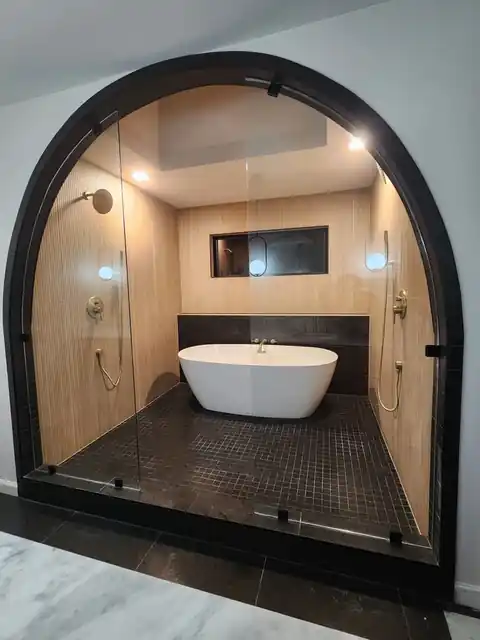
A standard East Texas bathroom remodel usually costs about $15,000 to $30,000, while a cosmetic refresh may start around $6,000 to $10,000 and a full-gut primary suite can climb past $45,000. The wide range comes from the work behind the tile, not just the fixtures you see.
You may be standing in a dated 1990s tub-shower combo right now, phone in hand, comparing contractor estimates that range from $8,000 to $60,000 for what appears to be the same bathroom. Then someone walks through your Tyler, Longview, or nearby East Texas home, writes a figure on a notepad, and your stomach drops.
Those quotes may all be reasonable if they describe different scopes. A reglazed tub, new vanity, paint, and updated lighting aren't the same project as a tiled shower with relocated plumbing, new electrical, waterproofing, and subfloor repairs. Material availability, freight, local labor, inspection timing, and concealed damage can widen the gap quickly.
This guide separates the three budget tiers homeowners choose between, then follows the money through labor, tile, plumbing, electrical work, permits, and finish selections. It also explains why a bathroom that looks small can still carry a large price tag in East Texas.
The Real Cost Question Every Homeowner Asks First
The first contractor walkthrough often starts casually. You show the dated vanity, point out the loose tile near the tub, and explain that you want the room to feel cleaner and more modern. The contractor asks whether you want to keep the layout, whether the tub stays, and whether the shower should be rebuilt from the studs.
That last question usually separates the first estimate from the second.
A useful national benchmark places bathroom remodeling in the low-to-mid five figures, with independent estimates ranging from about $12,115 to $16,500 and typical project bands of roughly $8,000 to $45,000, depending on size, scope, and finish level, according to this. Those figures are national reference points, not a promise that every East Texas project will land there.
For practical 2026 planning, use these three local working bands:
- Cosmetic refresh, about $6,000 to $10,000: The layout and rough plumbing stay in place. The work focuses on visible finishes and fixture replacement.
- Mid-range full remodel, about $15,000 to $30,000: The bathroom receives a new tub or shower, tile, flooring, vanity, lighting, and selected electrical or plumbing improvements.
- Full-gut primary suite, $45,000 and up: The room is stripped to the framing or subfloor, systems may move, and premium tile, glass, cabinetry, and fixtures drive the final total.
Practical rule: A contractor's number only means something when you know exactly what the number includes.
East Texas pricing also reflects local conditions. Labor generally costs less than in major coastal markets, but experienced tile setters and reliable plumbers aren't unlimited. A project in Tyler may have a different labor and scheduling profile from one in Dallas, while special-order tile or a large-format porcelain shipment can add freight and waiting time.
The estimate should tell you whether the contractor included demolition, disposal, waterproofing, permits, inspections, ventilation, finish repairs, and a contingency for concealed damage. Without that detail, the low bid may just be postponing costs until the walls and floor are open.
The Three Budget Tiers That Actually Matter
Most homeowners don't need a national average. They need to recognize which project they're buying. These tiers provide a practical starting point for East Texas homes.
Tier one is a visible reset
A cosmetic refresh works when the existing shower pan, plumbing locations, subfloor, and wall surfaces are sound. You might install a new vanity and countertop, replace the toilet and faucet, upgrade the light fixture, repaint, and use a new surround without changing the room's footprint.
This tier doesn't solve a failed shower pan, poor ventilation, sloped flooring, or water damage behind the surround. It works best when the bathroom is functional but visually tired.
Tier two is the practical middle
A mid-range remodel replaces the major wear points while keeping the project controlled. The contractor may remove the old tub, install a new shower or tub, apply a complete waterproofing system, set wall and floor tile, replace the vanity, improve lighting, and update outlets or switches.
This is usually the strongest fit for an East Texas homeowner who wants a substantial improvement without paying for a fully custom primary suite. Before choosing finishes, review bathroom remodel ideas for practical design direction, then confirm that each idea fits the plumbing, ventilation, and budget.
Tier three changes the room itself
A full gut is more than a nicer finish package. It may involve opening walls, replacing damaged framing or subfloor, moving supply and drain lines, rebuilding the shower assembly, installing custom cabinetry, adding frameless glass, and coordinating several inspections.
Luxury choices multiply labor as well as material cost. Intricate tile patterns require more layout and cutting, natural stone needs careful handling and sealing, and heated floors add electrical and installation coordination. The right question isn't whether a feature looks impressive. It's whether the feature improves how you use the bathroom enough to justify the added complexity.
Where the Money Goes in a Bathroom Remodel
A bathroom budget gets consumed by several trades working in a tight space. Labor, waterproofing, tile, fixtures, and finish work overlap, so a contractor who gives you only a fixtures allowance isn't showing the full cost.
Market breakdowns commonly place labor around 35% to 45% of a bathroom project, tile and waterproofing around 15% to 25%, plumbing fixtures around 10% to 20%, vanity and related finish items around 8% to 15%, and flooring, paint, accessories, and miscellaneous hardware around 5% to 10%, as summarized in this. These ranges overlap because individual projects allocate money differently.
Labor pays for coordination, not just installation
Demolition, framing, plumbing rough-in, electrical work, drywall, waterproofing, tile setting, painting, trim, and cleanup all require separate skills. Even a small bathroom can need several site visits because one trade has to finish before another can begin.
Tile labor deserves special attention. A straight porcelain layout over a properly prepared surface is different from a niche-heavy shower with small mosaic tile, multiple corners, bench seating, and a linear drain. The material may not look dramatically different in a showroom, but the installation time and risk can be.
Waterproofing is the part you shouldn't cheapen
Waterproofing protects the framing and subfloor behind the finished surfaces. A proper shower assembly may include a compatible backer system, membrane, corners, penetrations, sloped base, and carefully sealed transitions.
The tile isn't the waterproofing. If a bid lists attractive tile but says nothing about the shower system, ask for the exact method and product. The tile shower remodel cost guide can help you frame questions about the shower scope before comparing bids.
Fixtures and finishes create the visible difference
A basic toilet, standard faucet, stock vanity, and common porcelain tile can keep a project controlled. A designer faucet, custom vanity, specialty stone, frameless glass, or imported tile pushes the budget upward, sometimes without changing the room's footprint.
The commonly missed items show up after demolition:
- Subfloor repair: An old tub or toilet may have allowed moisture into the flooring.
- Mold or damaged framing: Hidden deterioration needs to be removed before the new work is closed.
- Electrical upgrades: GFCI protection, lighting circuits, and ventilation may need correction.
- Disposal: Demolition debris, packaging, and old fixtures require hauling and disposal.
- Finish restoration: Removing an old surround can damage adjacent drywall or flooring.
For a visual explanation of the installation sequence, this bathroom remodeling video provides useful context before you review a proposal.
What Drives Costs Up or Down
Bathroom size matters, but it isn't the best predictor of price. A compact room can cost more per square foot because demolition, plumbing, electrical work, waterproofing, inspections, and cleanup still require fixed trade effort. The square-foot bathroom cost benchmark from Angi places typical projects around $70 to $250 per square foot, with a 50-square-foot bathroom often ranging from about $3,500 to $12,500.
That range expands with finish quality and complexity. A useful pricing equation is square footage plus fixture count plus finish level plus access difficulty.
Layout changes create expensive hidden work
Keeping the toilet, vanity, and shower in their existing positions usually reduces demolition and rough-in work. Moving the toilet across the room can require new drain routing through floor joists, while relocating a shower may require new supply lines, valves, ventilation coordination, and repairs to surrounding surfaces.
A layout change can be worthwhile if it fixes a genuine functional problem. It isn't automatically worthwhile because the opposite wall looks better in a sketch. Ask for a side-by-side comparison showing the cost of keeping the layout versus moving each fixture.
East Texas labor is generally more approachable than coastal metropolitan pricing, but skilled trades still command a premium when schedules are tight. A lower hourly rate doesn't make a complicated shower inexpensive if the work takes longer or requires rework.
A small bathroom with premium stone and a custom shower can cost more than a larger bathroom with stock fixtures and a simple porcelain layout.
Change orders are where homeowners often lose control of the budget. A change order in construction should identify the added work, price, reason, and effect on the schedule before the contractor proceeds. If the original bid uses vague allowances for tile, plumbing, or cabinetry, the contract isn't giving you a firm project cost.
The contractor should also explain what happens when demolition reveals damage. That isn't a reason to distrust the estimate. It is a reason to define the decision process before anyone removes the first tile.
How Long a Bathroom Remodel Takes
A realistic bathroom renovation often occupies six to ten weeks of calendar time, even though active construction may take only three to five weeks, based on the bathroom remodel cost and planning guidance from HomeAdvisor. The difference comes from selections, ordering, permits, inspections, trade coordination, and cure time.
The schedule starts before demolition
During the first week, finalize tile, plumbing fixtures, vanity details, lighting, paint, glass, and hardware. Suppliers in Tyler, Longview, and Nacogdoches may have common products available, while special-order items can affect the start date if they're delayed.
Permitting and scheduling usually occupy the next part of the process. Local requirements vary by municipality, and plumbing, electrical, structural, or mechanical changes may require review and inspections. A contractor should identify the responsible department and include the expected permit steps in the production schedule.
Construction has a sequence that can't be ignored
The build generally follows this order:
- Protection and demolition: The crew protects adjoining rooms, removes fixtures and finishes, and checks the substrate.
- Rough plumbing and electrical: New lines, valves, boxes, ventilation, and blocking go in before walls close.
- Inspection and preparation: Required inspections occur, then the crew prepares walls and floors.
- Waterproofing and tile: The shower system must be installed correctly before tile and grout cover it.
- Finish installation: The vanity, toilet, fixtures, mirrors, lighting, trim, and accessories go in.
- Punch list: The team corrects minor issues, completes caulking and touch-ups, and walks the room with you.
Thinset, grout, paint, and sealants need time to cure. Rushing those steps can compromise adhesion, staining resistance, or water performance. East Texas humidity makes moisture-sensitive work especially difficult to compress safely.
ROI, Financing, and Permits
A bathroom remodel pays back in two ways: daily function and resale appeal. Houzz trend data summarized in recent bathroom remodeling reporting places the national median bathroom spend at $13,000 in 2024, with major remodels at $22,000. The same report puts midrange resale recovery at about 80%, described as the highest level since 2007.
The 2025 Cost vs. Value Report lists a national average of $26,138 for a midrange bathroom remodel and $81,612 for an upscale project. Those benchmarks do not predict an East Texas resale return. They show why the scope and finish level should fit the home's neighborhood and likely buyer. A high-end bathroom in a modest market may be comfortable to use, but it will not necessarily return its full cost.
Choose financing with the total repayment in mind
Cash avoids interest, but it reduces your reserves for roof repairs, HVAC work, or concealed bathroom damage. A home equity loan offers a defined borrowing structure. A HELOC may carry a variable rate and changing payment. Contractor financing can simplify the application, yet deferred-interest terms and payoff conditions need a careful review.
Match the loan to the work that protects the room. Waterproofing, ventilation, safe electrical work, sound plumbing, and proper installation deserve priority over decorative upgrades. Financing a luxury finish package makes less sense when the home's market cannot support that level of investment.
Permits protect the project record
Plumbing, electrical, and structural changes commonly trigger permit requirements. A strictly cosmetic refresh may not. East Texas municipalities set their own requirements, so confirm the rules with the local building department and contractor before signing.
Skipping a required permit can complicate inspections, insurance reviews, and resale disclosures. Ask who pulls the permit, who schedules inspections, and whether permit fees appear in the contract. The paperwork also gives you a record that covered work was reviewed and completed to applicable code.
Getting an Accurate Local Estimate
A dependable estimate starts with a defined room, not a Pinterest image. Measure the bathroom, note door swings and fixture locations, photograph visible damage, and decide whether the tub stays, becomes a shower, or moves.
Before contractors bid, select at least a general finish direction. A proposal based on a stock vanity and standard porcelain tile can't be compared fairly with one based on custom cabinetry and specialty surfaces.
Use this process:
- Request itemized bids: Ask for separate costs for demolition, rough plumbing, electrical, waterproofing, tile, fixtures, cabinetry, disposal, permits, and finish work.
- Walk the site together: Have each bidder inspect the subfloor, shower walls, ventilation, access route, and adjacent finishes.
- Clarify allowances: Require written allowances and unit prices for tile, plumbing fixtures, glass, and cabinetry.
- Verify coverage: Confirm licensing, general liability insurance, and workers' compensation coverage.
- Set schedule terms: The proposal should identify the project manager, expected start window, construction duration, and punch-list process.
- Ask about concealed damage: Make sure the contract explains documentation, pricing, approval, and schedule changes when demolition reveals problems.
- Confirm warranty details: Check whether the contractor provides a one-year workmanship warranty and how service requests are handled.
A low bid with no line items, a vague timeline, or a request for most materials upfront deserves careful review. A price that sits 20% below competing bids can signal omitted work, weak allowances, or future change orders, as reflected in the practical estimating guidance provided for this topic.
Schedule a second walkthrough after selections are finalized. That's when the contractor can replace s with actual products, confirm lead times, and produce a contract that reflects the bathroom you intend to build rather than the bathroom described during a rushed first visit.
Home Pro's Remodeling & Repairs provides design-build bathroom remodeling, tile showers, fixture updates, ventilation work, and related repairs for homeowners across Tyler and East Texas. For a measured onsite estimate that accounts for scope, material selections, permits, and concealed-condition risks, visit Home Pro's Remodeling & Repairs and request a consultation.
Home Pro's Remodeling & Repairs, (903) 920-2969
Call (903) 920-2969More articles
7 Best Outdoor Kitchens: Designs, Costs, and Build Tips
Many outdoor kitchen problems begin on day one, when the layout, cover, and utility routes get decided before anyone looks closely at the budget.
Bathroom Vent Through Wall: Complete DIY Installation Guide
You've just stepped out of the shower on a humid East Texas morning.